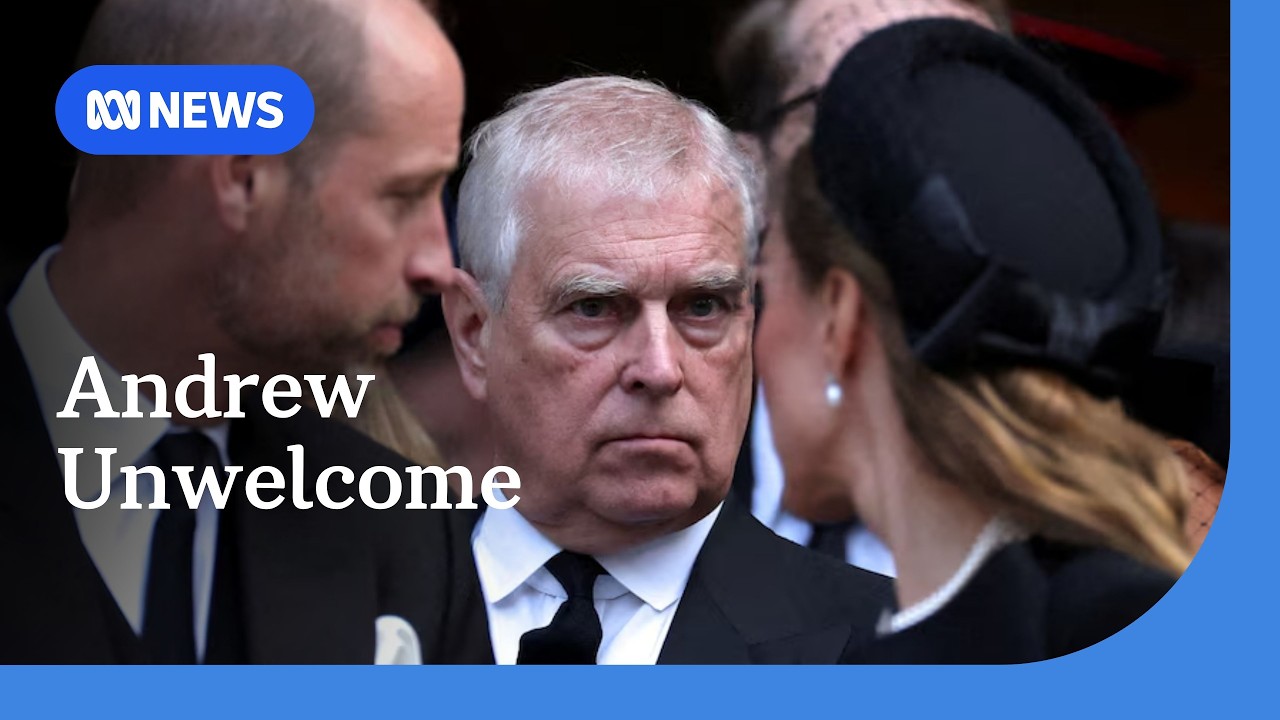
The saga surrounding Andrew Mountbatten-Windsor, once a prominent figure within the British Royal Family, has taken an increasingly dramatic and unprecedented turn. What began as scrutiny over his associations with convicted sex offender Jeffrey Epstein has escalated into a comprehensive royal fallout, reshaping his public life and redefining his place within the monarchy. The latest developments confirm a trajectory that has seen titles stripped, residences questioned, and even an arrest, placing the spotlight squarely on the enduring consequences of his controversial friendships. This article delves into the "Andrew Latest" updates, exploring the intricate details of his downfall and the profound implications for both him and the institution he once represented.
The Royal Downfall: From Prince to Stripped Titles
Andrew Mountbatten-Windsor, born as Prince Andrew, the second son of Queen Elizabeth II and Prince Philip, Duke of Edinburgh, was once a celebrated member of the Royal Family. His marriage to Sarah Ferguson in 1986 saw him bestowed with the title Duke of York, and together they welcomed two daughters, Princess Beatrice and Princess Eugenie. Despite their divorce in 1996, the couple maintained cordial terms, a testament to their enduring family bond.
However, Andrew's life took a sharp pivot in 2019 when intense scrutiny over his ties to Jeffrey Epstein compelled him to step back from royal duties. This was merely the prelude to a far more significant shift. In 2025, following a groundswell of public pressure and renewed examination of his relationship with Epstein, King Charles III made a momentous decision. In a move widely regarded as unprecedented in modern royal history, His Majesty formally stripped his brother of his Prince and Duke of York titles, as well as his HRH (His Royal Highness) style. This decision underscored the monarchy's commitment to protecting its reputation amidst a scandal that refused to fade. It marked a definitive end to Andrew's active royal life and sent a clear message about the unwavering standards expected of those in the royal spotlight. For a deeper understanding of the future implications of these actions, including his residential status, explore Stripped of Titles: Prince Andrew's Future After Royal Lodge.
The Epstein Shadow: Persistent Scrutiny and Arrest
The core of Andrew's troubles has always been his friendship with Jeffrey Epstein. Despite Andrew's consistent denials of wrongdoing and his expressed regret over the association, the shadow of Epstein has proved long and persistent. The "Andrew Latest" developments have only intensified this scrutiny, pushing the boundaries of what was previously considered possible for a senior royal.
Most recently, in an astonishing turn of events, Andrew Mountbatten-Windsor was arrested by British authorities on suspicion of misconduct in public life. The former prince was later released from police custody, having been seen departing Aylsham Police Station in England. While he has not been charged, the arrest itself sent shockwaves globally, highlighting the gravity of the allegations he faces. British police are actively considering claims that King Charles III's younger brother allegedly passed confidential government documents to Epstein. These allegations, coupled with the release of the latest Epstein files by the U.S. Justice Department, have kept the pressure on Andrew to an unprecedented degree, despite his reiteration of innocence.
The ongoing nature of the investigation means the full scope of potential implications is still unfolding. For more details on the arrest and the renewed focus on his links, refer to Prince Andrew Arrested: New Scrutiny on Epstein Links. The public's perception of Andrew remains heavily influenced by the unresolved questions surrounding his past and the new, serious allegations being investigated.
Royal Lodge and the Financial Entanglement
Beyond the legal and title-stripping developments, Andrew's residential situation has also become a point of public contention. For two decades, Andrew Mountbatten-Windsor resided at Royal Lodge in Windsor, a sprawling property that came under intense scrutiny when it was revealed he had been paying only "peppercorn" rent. This arrangement, effectively a symbolic payment rather than a market-rate rent, sparked widespread criticism, fueling public perceptions of royal entitlement at taxpayer expense.
As part of the escalating fallout, and likely as a condition of the ongoing discussions with the monarchy, Andrew reportedly agreed to vacate Royal Lodge if formally requested. This move, while seemingly minor in comparison to the loss of titles or an arrest, symbolizes a further erosion of his privileges and an increased accountability for his financial arrangements. The Royal Lodge controversy highlights a broader public demand for transparency and fairness within the monarchy's dealings, particularly concerning public assets and financial benefits enjoyed by its members. The symbolic and financial implications of such arrangements are often closely watched by the public, adding another layer to the complex narrative surrounding Andrew's separation from the core of royal life.
Wider Implications and Public Reaction
The "Andrew Latest" saga has undeniably cast a long shadow over the British Royal Family, testing its resilience and adaptability in the modern era. The decisions made by King Charles III, particularly the stripping of titles, reflect a strategic effort to safeguard the monarchy's image and maintain public trust. In an age of instant information and heightened public scrutiny, the Royal Family cannot afford to be seen as lenient towards serious allegations, regardless of familial ties.
The dramatic events have not gone unnoticed on the global stage. Former U.S. President Donald Trump commented on Andrew Mountbatten-Windsor's arrest, describing the situation as "very sad" and "so bad for the royal family." Trump, who has also faced scrutiny regarding his past association with Epstein (and denies any wrongdoing, claiming exoneration), framed Andrew's predicament through his own experience. These comments, while from an external figure, underscore the international attention and the perceived damage to the institution's standing.
The ongoing scrutiny of Andrew and the actions taken by the monarchy serve as a potent reminder of the delicate balance between tradition and contemporary expectations. The demands for transparency, accountability, and ethical conduct are now paramount, even for those once considered untouchable by virtue of their birth. This unfolding drama provides crucial insights into how a historic institution navigates a crisis in the public eye, highlighting the immense pressure to adapt and evolve in order to remain relevant and respected.
In conclusion, the "Andrew Latest" developments paint a picture of an unprecedented royal downfall. From stepping back from duties to the formal stripping of titles, the agreement to vacate Royal Lodge, and ultimately an arrest on serious allegations, Andrew Mountbatten-Windsor's journey has been marked by escalating consequences. While he maintains his innocence and has not been charged, the persistent shadow of the Epstein scandal continues to dictate his fate and shape the public's perception. For the British Royal Family, this saga represents a challenging chapter, forcing difficult decisions that prioritize the institution's integrity above all else, ensuring that accountability, even for former princes, remains a cornerstone of its modern identity.